the unhappy valley: architectures of property and violence in benedict canyon [2026]
[SPACE 2: APPARITIONS | ARTICLE FORTHCOMING]
SPACE is a student-run architecture publication at the University of Southern California (USC) School of Architecture.
ISSUE ABSTRACT:
Architecture is full of ghost stories. Its haunting grounds are multi-dimensional, nonlocal, embodied, imagined. The spaces we inhabit are merely afterimages, the specter neither absent nor present. To exist is always to leave something behind. In the age of hyperobjects, persistent doom reminds us that disappearance is an illusion. Traces linger even as technology, capital, and entropy render buildings or objects obsolete.
Horror, as we and many other theorists frame it, is not reducible to cinematic tropes or codified imagery. It arises in the uncanniness of the everyday. We define horror as the unconscious yielding to the instability of the world’s constant transformations—a condition that produces the Sublime, where terror and fascination collapse into one. Comaroff and Ker-Shing tel us that horror’s unruly corporeality—the way it delights in breaking apart bodies and forms—resists the forces of reification and the seduction of smooth, well-finished surfaces. Horror is a counter-force: it interrupts architecture’s tendency to conceal truths. To put it their way: “horror is the truth about abstraction.” And as Carrus reminds is in The Plague, “When abstraction sets about killing you, you had better get busy.”
This year’s theme is APPARITIONS, a word that contains two meanings:
a ghost or ghostlike image
the sudden appearance of something remarkable or unexpected
For Volume II, we seek writing, images, and projects that confront architecture’s ghosts: disappearance, memory, horror, and transformation. What haunts you? Is it invigorating?
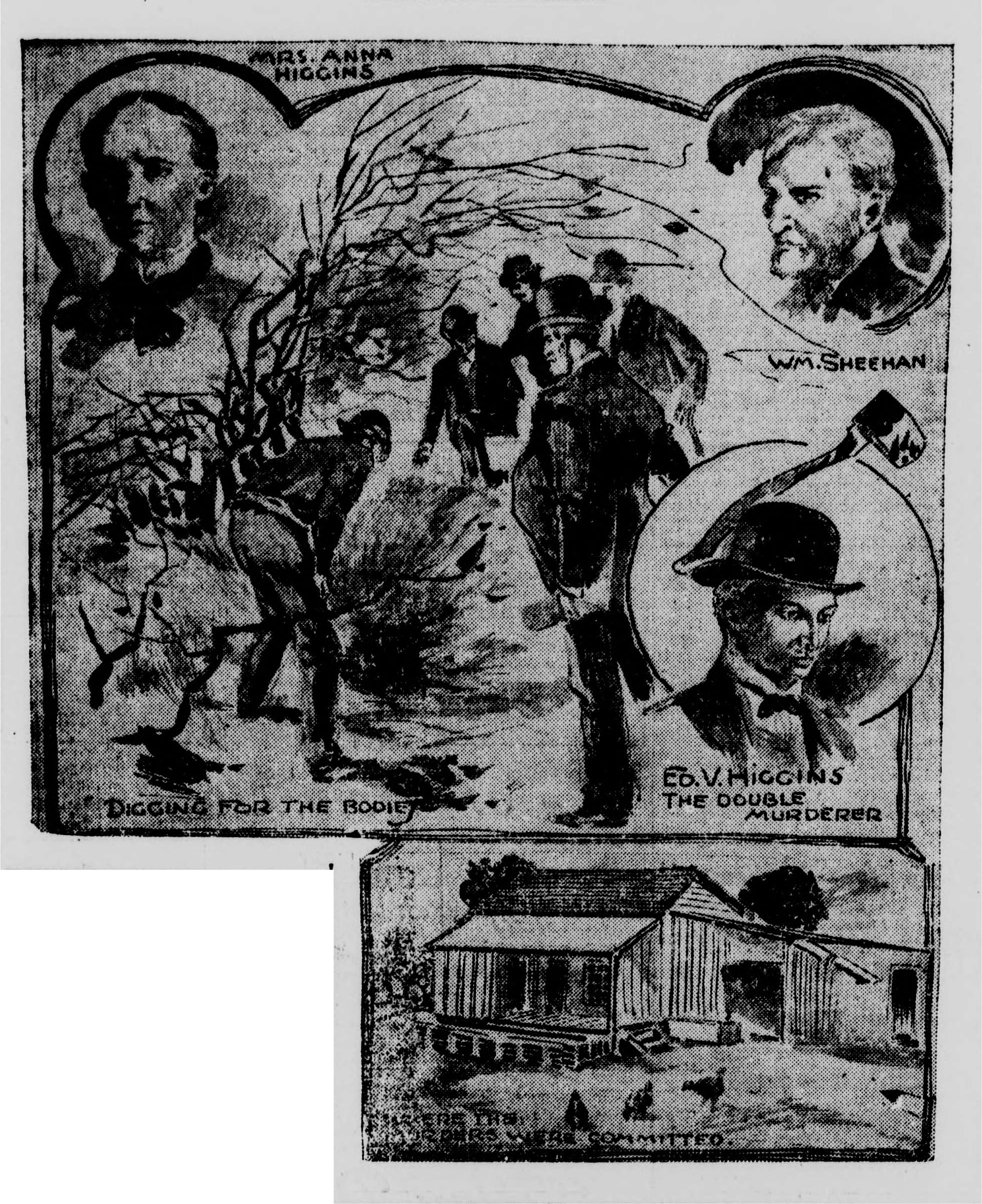
“Bodies of Mrs. Higgins and Sheehan Who Were Murdered by a Maniac Are Found Buried in the Hillside,” Los Angeles Daily Herald (Los Angeles, California), December 23, 1900.
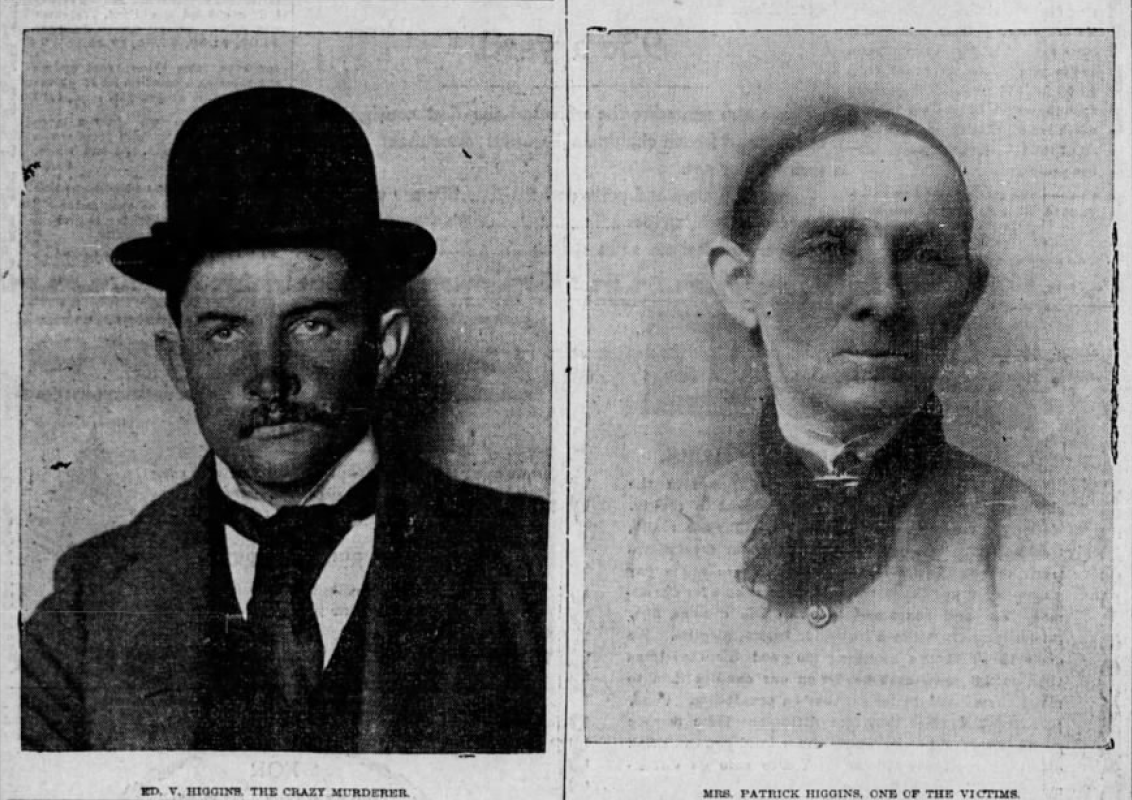
“Lunatic’s Ghoulish Confession True,” The Los Angeles Times (Los Angeles, California), December 23, 1900.