POSSESSION BY DEPRIVATION: OR, HOW OUR CREATION AND VALUATION OF PROPERTY DEFIED THE ENVIRONMENT [2024]
[ARCHITECTURE CENTER HOUSTON “BIG, HOT, AND STICKY” EXHIBITION | VIEW THE EXHIBITION ANNOUNCEMENT HERE.]
I presented a paper as part of the panel, Histories of Swamps, Land, and the Climate Crisis: Gulf Coast Formation through Value and Drainage, hosted by the American Institute of Architects Houston. The panel moderator was Deepa Ramaswamy (University of Houston). The panelists included myself, Amani Ponnaganti (University of Wisconsin - Madison), and Despo Thoma (SCAPE).
EXHIBITION SUMMARY:
Houston is Big, Hot, and Sticky. The metropolitan region is roughly 640 square miles, and from east of Galveston Bay to west of Katy, it is comparable in width to the State of Connecticut. For nearly one third of the year, the city’s temperature climbs to at least 90 °F; and 2,500 miles of slow moving, flat waterways crisscross the city creating a swamp-like environment.
Houston’s emergence as a metropolis, like many American cities, has been shaped by its defiance of the environment. From climate control to flood control, the city is a hyper-engineered, constructed landscape designed to resist the natural world. As Houston grows, however, so too does this tension between the natural and the human-made: from the shock of hurricanes and tropical storms to the chronic stresses of urban heat and nuisance flooding. In the face of these environmental challenges, engineered and technological solutions have a limited impact, and historically, have also been sources of inequality. Instead, what is needed is a more radical social, cultural, and ecological imaginary that recasts the city’s relationship to nature.
Big, Hot, and Sticky, spotlights Houston as a novel urban ecosystem: a constellation of highways, waterways, air-conditioned buildings, remnant prairies, and possums. This exhibition invites seven designers to respond to Houston’s provocation through critical histories, design research, and speculative projects rooted in the city’s urban landscape: How are environments, climates, and cultures co-constructed? What is the future of this notoriously air-conditioned, car-centered, energy capital? What does it look like to thrive in a city that is Big, Hot, and Sticky?
PANEL SUMMARY:
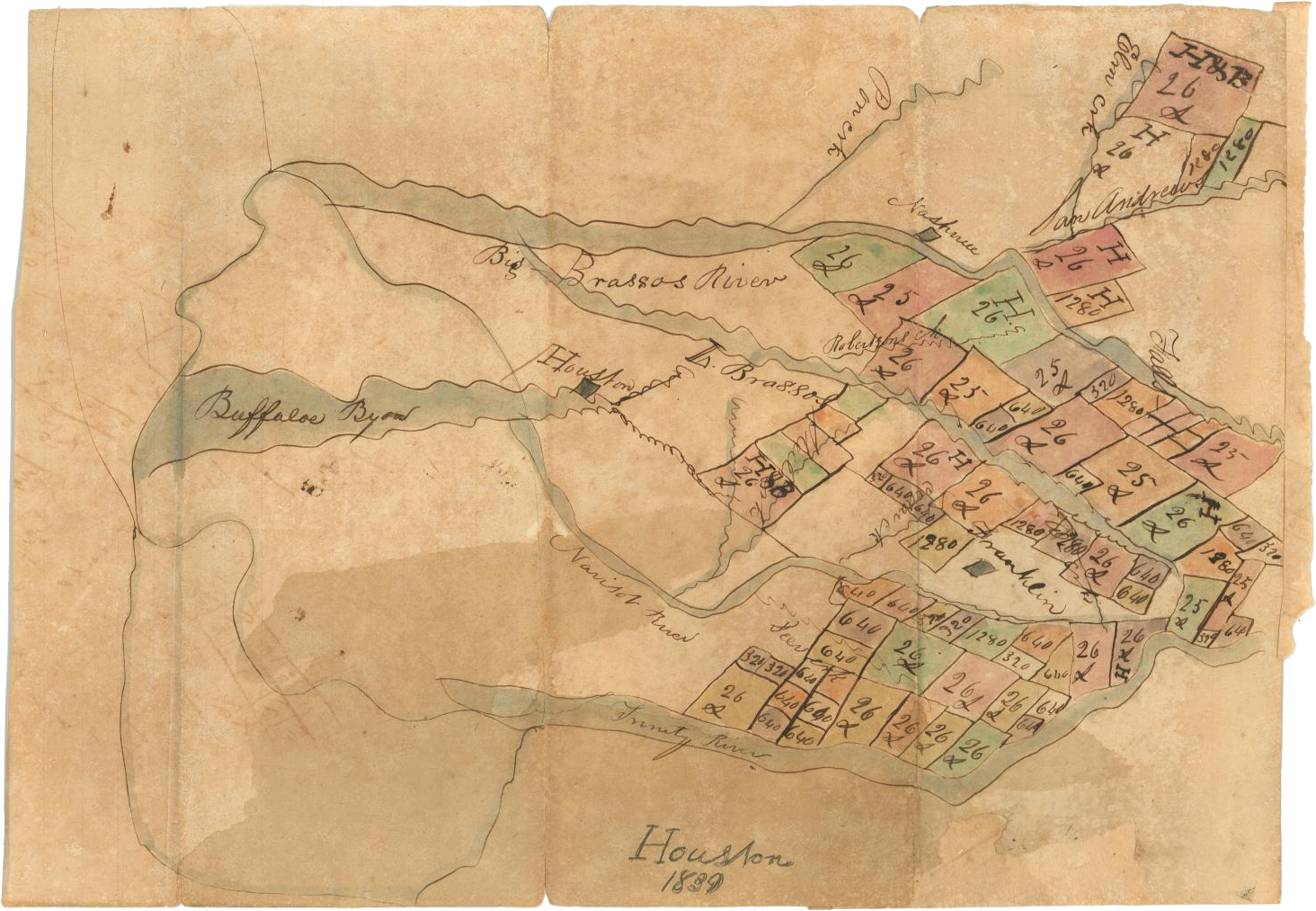
As the Gulf Coast faces escalating climate challenges, the historical land use and development patterns have become critical to understanding current vulnerabilities. This panel explores the complex relationship between Houston's and the Gulf’s swampy origins, land valuation processes, and the unfolding climate crisis. The panel will examine this interplay in three parts: first, the historical transformation of Indigenous lands into private property through policy and regulation; second, how drainage governance perpetuated inequalities and uneven climate vulnerability; and third, current efforts to restore lost swamplands and manage climate risks.
Central to these discussions is the concept of land value and its role in driving environmental transformation. The panel will explore how past land use and drainage decisions have created disparate climate vulnerability geographies, particularly affecting marginalized communities. We will analyze the mechanisms used to convert swampland into valuable property and the governance practices that led to enduring inequities.
This talk is in conjunction with the current exhibition Big, Hot & Sticky, which showcases the work of seven designers responding to Houston's built and natural environment. On view through August 23.